
Rubber moulding is not just a process now. It has turned into a necessity for a variety of manufacturing companies that manufacture a wide range of products. Whether you are manufacturing simple gaskets or complex automotive parts, rubber moulding can come to your rescue in every possible way.
But, before you make use of the process, you must also know how these rubber moulded parts are made. There are three major processes, injection, compression and transfer moulding. Each of these methods has its own applications and benefits. But if you can get to know them in detail, you can decide which type to work on to get the best output.
Here in this guide, we will get to know more about these processes in detail. We will also see how these procedures can be beneficial or prove to be disadvantageous. Additionally, I will also guide you on selecting the best type for your business benefit as per your needs.
What does Rubber Moulding Actually Mean?
Rubber moulding is a form of manufacturing where rubber is converted into different types of products. These products are highly versatile and come in different varieties. The rubber compounding technique is very crucial in preparing components with higher precision and can also prepare complex shapes and designs, which are durable as well as unique.
So, if you are looking for a cost-effective way of manufacturing products, nothing can be better than rubber moulding. One added advantage of rubber is that it can also withstand harsh weather conditions. Be it extreme temperatures or corrosion, rubber can withstand all of them, making it a versatile product for manufacturing items.
Rubber also has excellent adaptability. So, you can easily customise rubber products and bring different shapes, while meeting the performance requirements. We believe that rubber is one such material that is inevitable for every business. Be it healthcare, automobile, or anything else, rubber is indispensable in the production landscape that can enhance product longevity and performance.
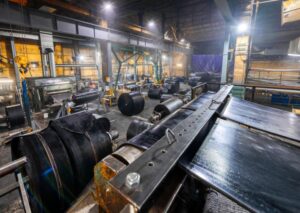
What are the different types of rubber moulding procedures?
Rubber moulding is a diverse manufacturing process. And it comes with a lot of variants. Each of them has its own advantages and disadvantages. Here we will discuss the different methods along with their advantages and disadvantages.
- Rubber Injection Moulding
Rubber injection is nothing but a kind of replicated version of plastic injection moulding. It contains the rubber strips that go into a machine called a hopper. From there, it moves into a screw chamber. The external heaters provide heat and friction, and in this way, the products are prepared. The main advantage of rubber injection moulding is its precision, high accuracy, complex geometry, higher mechanical strength, fewer defects and others.
- Rubber Compression Moulding
In rubber compression moulding, there are two halves. Each of the parts carries a portion of the cavity. The raw material is first preheated in the lower half. Then there is the plug that moves into the other half. The entire thing is heated and cured before the final rubber comes into a proper shape. Rubber moulding is a low-cost and low-maintenance process that can produce a variety of materials.
- Rubber Transfer Moulding
The transfer moulding process involves a unique type of rubber mould design. Like all other moulds, the die mould also has two parts. But here the upper mould has an open-ended cavity. And this cavity is called the pot. There is a spruce network that connects the pot and the main cavity. The preform substance is placed inside the pot. It is then transferred into the cavity by using a plunger under high pressure and heat.
The raw material finally cures and converts into a solid form. Finally, the end product is ejected from the mould once it cools down.
Rubber transfer moulding comes with a lot of benefits. It has a tight tolerance, can produce larger parts, has metal bonding, and also has higher cavity counts.
What are the different types of rubber materials that can be used for rubber moulding?
Rubber is such a material that it can be used for elasticity, flexibility and thermal insulation. Rubber proves to be excellent for those applications that need temperature resistance and thermal insulation. And there are different types of rubbers that can be used for the rubber compounders to make substances.
- Natural Rubber.
- Styrene-Butadiene Rubber.
- Neoprene Rubber.
- Nitrile Rubber.
- Butyl Rubber.
- Silicone Rubber.
- Fluoroelastomer rubber.

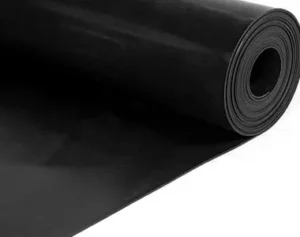
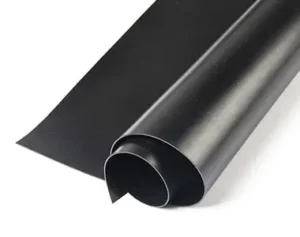
Depending on the type of substance you wish to manufacture, you can select the category of rubber that best suits the product.
What should you consider while selecting the best rubber moulding material?
When you are manufacturing a material out of rubber, you can’t randomly go and select whatever you want. Your selection will depend on various factors.
- The temperature your product needs to withstand.
- What is the environmental stress for the product?
- How many physical forces will be applied to the product?
- Your budget nee
Conclusion
Rubber is mainly used in different products for manufacturing due to its sustainability. But not all manufacturers can deliver the quality that customers look for. AUP Rubber is one of the finest rubber manufacturers that can deliver top-quality products to meet customer requirements. Whether you need high-temperature-resistant products or flexible products, AUP rubber can always fulfil your industrial rubber moulding requirements under strict budgetary needs.