
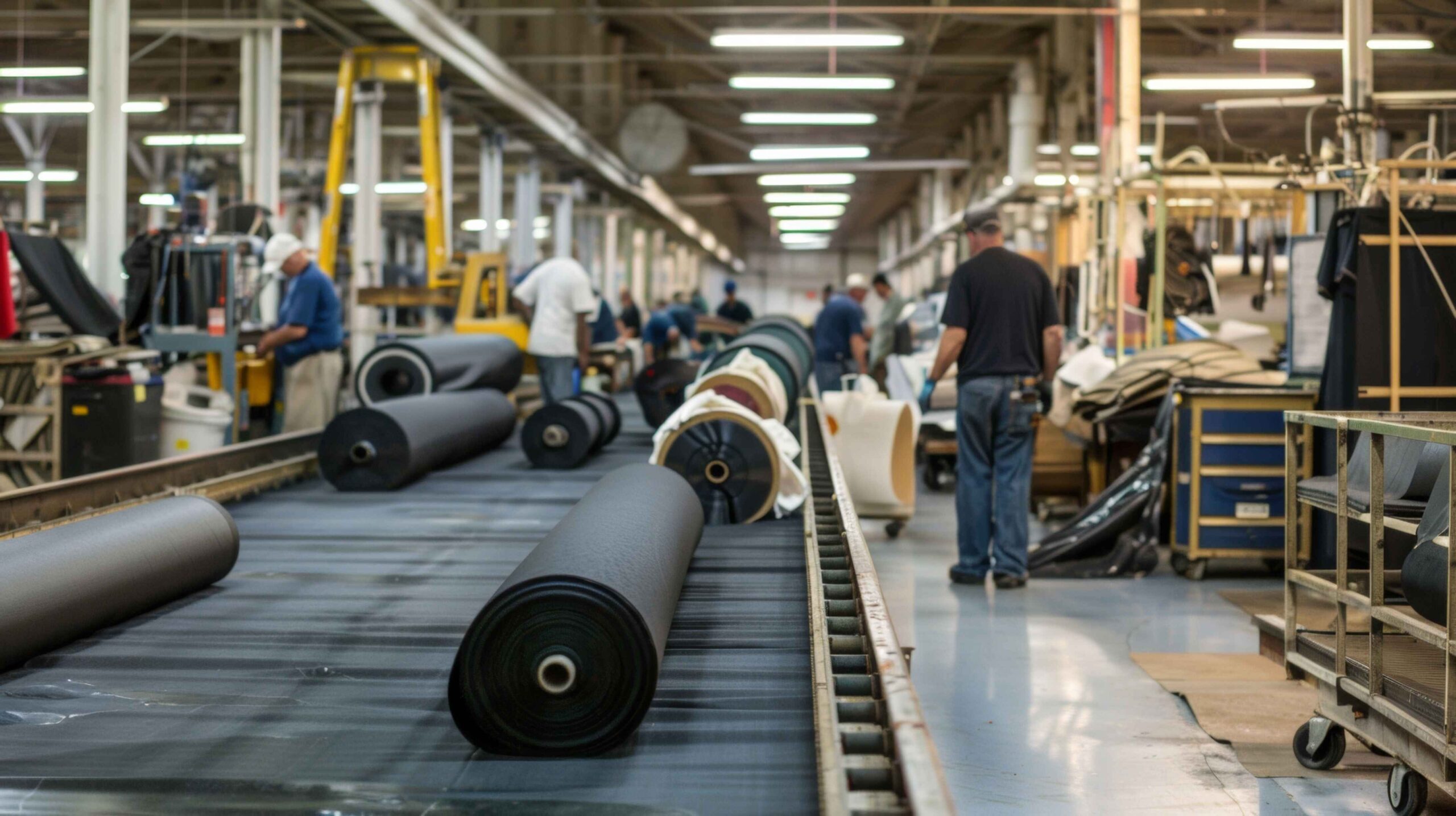
Selecting the correct rubber material is a critical decision in industrial manufacturing. The performance, durability, safety, and overall cost of a product are all influenced by the rubber compound used. An unsuitable material can result in premature failure, frequent maintenance, or operational downtime.
Industrial environments often involve exposure to heat, pressure, chemicals, and harsh weather conditions. Understanding how different rubber materials behave under these conditions allows manufacturers and engineers to select compounds that deliver long-term reliability and efficiency.
At AUP Rubber, we specialise in custom rubber moulding and compounding solutions tailored to demanding industrial environments.
Industrial rubber materials are engineered to meet specific performance requirements. Each rubber type offers a unique combination of properties, making it suitable for certain applications and unsuitable for others.
As specialist rubber compounders, AUP Rubber works with a wide range of elastomers and develops custom formulations to suit unique application requirements.
Through advanced rubber compounding, these materials can be customised to meet precise industrial performance standards.
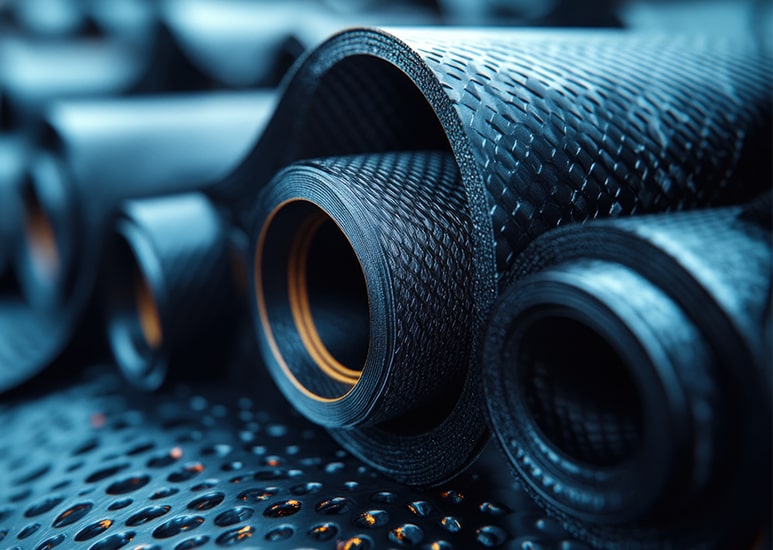
Understanding rubber properties is essential when selecting the right material for an application.
Chemical Properties
Thermal Properties
Mechanical Properties
Balancing these properties is essential for reliable industrial rubber performance.
Industry Overview
Many industrial buyers search for solutions based on application requirements rather than material names.
Common Challenges
Rubber Solutions
Recommended Materials and Benefits
Advantages
Limitations
Professional material guidance helps avoid these issues and ensures reliable results.
Selecting the right rubber compound involves understanding both material properties and real-world application demands.
Material Properties and Best-Use Cases
For example, EPDM offers excellent weather resistance but is unsuitable for oil exposure, while nitrile rubber excels in oil-resistant environments. These differences highlight the importance of expert rubber compounding advice.
Why this matters: Correct material selection improves service life, reduces maintenance, and enhances operational reliability.

Common Mistakes to Avoid
Expert Tips from AUP Rubber
Early involvement of rubber specialists helps ensure the right compound is selected and reduces the risk of redesign or failure.
Industry Overview
The rubber manufacturing industry continues to evolve, driven by sustainability, advanced materials, and stricter quality standards.
Why It Matters
Manufacturers must ensure materials meet performance expectations while complying with regulatory and environmental requirements.
Impact on Materials and Processes
How AUP Rubber Responds
AUP Rubber continuously improves its materials, processes, and compliance practices to meet changing industry demands.
Finding a trusted supplier is essential when sourcing industrial rubber products, as quality, consistency, and technical support directly impact performance and safety. A reliable supplier should offer proven experience, transparent manufacturing processes, and the ability to customise materials through expert rubber compounding.
Look for suppliers who provide clear material documentation, follow recognised quality standards, and demonstrate a strong understanding of rubber moulding and application-specific requirements. A trusted supplier acts as a technical partner—not just a manufacturer—helping you select the right rubber compound for long-term performance and reliability.
AUP Rubber delivers tailored rubber solutions backed by technical expertise and consistent quality.
What sets us apart:
When reliability and performance matter, AUP Rubber is a trusted partner for industrial rubber moulding and compounding.
Choosing AUP Rubber means partnering with a manufacturer that prioritises performance, reliability, and technical support. We work closely with our customers to understand application requirements and deliver tailored solutions that add long-term value.
With a strong reputation as trusted rubber compounders and manufacturers of high-quality industrial rubber, AUP Rubber provides the confidence you need in your supply chain.